-
play_arrow
Studio 74 (Cov Creative Community)
-
 play_arrow
Sounds of The City
Let’s Get Deep in Dive with Ashanti
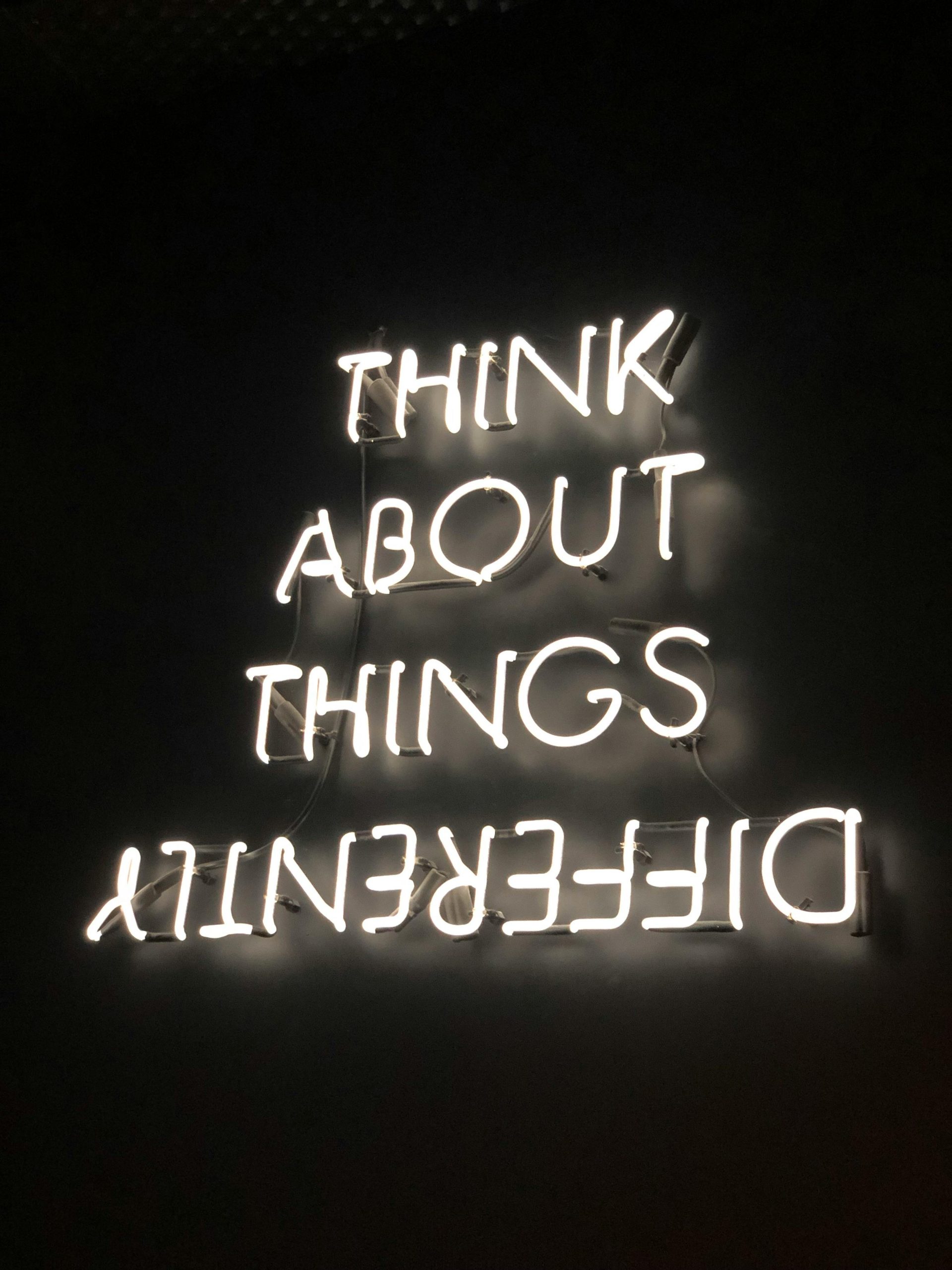
This piece is published as it was written, without spelling corrections, to preserve the authentic voice and personal experience of the author Ashanti. At Studio 74, we believe in celebrating different ways of communicating and understanding — especially when it comes to neurodiversity. Dyslexia doesn’t take away from a message; it often adds depth, honesty, and perspective. We’re proud to share this exactly as received.
What inspired me to talk about learning disabilities – especially my own experience with dyslexia – is the fact that it’s something people don’t talk about enough. Even though so many people live with learning disabilities every day, they are still often misunderstood, ignored, or dismissed altogether. That silence is what made me want to speak up. I’ve experienced firsthand how challenging it can be to deal with something that many people don’t see, don’t understand, or don’t even believe is real. That’s exactly why these conversations need to happen more often.
Growing up with dyslexia hasn’t been easy. It affects how I read, write, and sometimes even how I process information. But what made it even harder wasn’t just the learning part – it was the way people reacted to it. There have been times when I felt judged, underestimated, or even called “lazy” just because I learn differently. Some people act like dyslexia is just an excuse or something made up. That kind of misunderstanding is not only hurtful, but also dangerous. It stops people from getting the help they need, and it makes others feel like they have to hide who they are.
The truth is, learning disabilities are real – and they’re not a sign of low intelligence or a lack of effort. In fact, many people with learning disabilities work even harder than their peers just to keep up. But because learning disabilities aren’t always visible, people often don’t understand what’s really going on. That’s why I believe it’s so important to talk about them openly and honestly.
By sharing my own experience, I want to help change the way people think about dyslexia and other learning differences. I want others who have learning disabilities to know that they’re not alone, and that there’s nothing wrong with the way their brain works. There’s just a need for different approaches to learning
Everyone deserves a chance to succeed in a way that works for them.
I also want teachers, parents, and even other students to better understand what it means to have a learning disability. Awareness can lead to more support, more empathy, and better resources. It can help break the stigma and make schools more inclusive places for everyone.
In the end, I’m speaking up because I believe in the power of understanding. I believe that the more we talk about learning disabilities, the more we can help those who have them, and the more we can educate those who don’t. Dyslexia is a part of who I am, but it doesn’t define me. What defines me is how I respond to it – and right now, that means using my voice to raise awareness and make a difference.
Written by Ashanti Sappleton
Similar posts
Featured post
Latest posts
Current show
15 mins @ 74
Where the freshest new tracks are played. Studio 74 introduces the unknown. Could they be the next biggest hits ?
close